Posted by Teresa on September 28, 2012 under Landlord Tips | 
 Good communication is one of the most important aspects of running a successful business. Whether you’re dealing with customers, employees, partners or vendors, clear and effective communication affects just about everything else.
In the landlord business, your customers are your tenants, and it’s vitally important to keep your communication as effective as possible. Not only does great communication improve everyone’s day, but it can keep the headaches to a minimum—and even keep you out of legal trouble.
Here are 7 tips to improve tenant communication:
- Be a good listener. Everyone wants to be heard. By focusing on what your tenants are saying to you, you’ll be better prepared to respond appropriately. Give them time to express their needs, wants and feelings, instead of simply sharing yours.
- Recognize different communication styles. Some tenants speak quickly and want quick resolutions. So, get right to the point. Others want more details and background, so give them more explanations. Some don’t want to know you as a person, and are happy to have a text-only relationship, while others want to connect with you. Take a little time to learn about tenants, and you’ll figure out their style.
- Share expectations. Be very clear about what you expect and need from your tenants. None of your tenants are mind readers, so if you want them to change their behavior, let them know.
- Make it collaborative. Say “I need you to help me with this,” or “how can we work together to make this happen?” Let tenants know you’re willing to try to give them what they want, but let them know what you need in return.
- Be polite. Say “good morning.” Call tenants “ma’am” and “sir.” Ask tenants if you can come in—even if it’s a scheduled maintenance visit. If their child is screaming, ask if it would be better for you to come back later.
- Be respectful. Treat each tenant with the same respect you give your lawyer, banker or your grandmother. Even if they’re giving you a hard time, you’ll gain far more in return when you treat tenants with respect and dignity.
- Don’t get emotional. Sometimes things get heated, but if you keep a cool head and remain professional, you’ll have a better chance of diffusing the situation and solving the problem.
Adapting to tenants’ communication styles, being polite and respectful, and sharing expectations will improve your tenant relationships. Better communication can lead to less stress, fewer tenant turnovers and better profits, too!
Start your tenant relationship off right by knowing who you’re leasing to. Protect your rental property and assets with tenant background checks. Proper tenant screening will ensure you are leasing to the best possible tenants.
Posted by Teresa on September 26, 2012 under Landlord Tips |
 Have you ever had an idea tenant? Would you be able to spot another one if he or she submitted a rental application? Keep in mind we’re not talking literally here. Appearances mean nothing when it comes to judging who is an ideal tenant. And, choosing tenants based on appearances can get you in legal trouble.
Rather, the following qualities and attributes make a tenant “ideal”:
- Ideal tenants have a rental resume, including references from previous landlords.
- They know how much rent they can afford.
- They don’t waste your time— they show up on time.
- They know their credit score, and are ready to explain any issues.
- Ideal tenants have saved up enough cash to cover the security deposit and first month’s rent, along with application fees, tenant screening fees, pet deposits and utilities deposits. Even better? They have several month’s rent in the bank—and the bank statements to back them up.
- Speaking of pets, ideal tenants don’t pretend to not have a cat, bird or dog. They don’t apply for rental units that don’t allow pets, and then try to sneak one in when you’re not looking.
- If pets are allowed, ideal tenants also have references from previous landlords for their pets.
- They fill out the lease application thoroughly and truthfully.
- Ideal tenants know that appearances do matter. Again, you cannot discriminate against an applicant based on race, religion, gender, family status and other factors. And plenty of landlords can tell you that tenants who look rough around the edges are often hard-working people who always pay their rent on time, while flashy dressers may live above their means and have credit problems. That said, applicants who take the time to dress nicely demonstrate respect and just might take good care of your property.
- Ideal tenants are excited about your rental property and look forward to making it their home.
Posted by Teresa on August 31, 2012 under Lease and Rental Agreements, Rents and Deposits, Tenant Credit Checks |
 How do you say “no” to tenants who don’t meet your lease qualifications? Some landlords have a hard time doing so, especially when the applicants are persistent. Here are a few examples:
- Don denied an applicant based on weak credit. The applicant offered a bigger security deposit. Now Don is thinking of approving his application.
- Karen is a landlord in a similar situation. Her non-qualifying applicants offered to pay an entire year’s rent up front. Karen decided to accept the deal and signed the lease.
- Another landlord reports that a non-qualified couple is pleading with her to rent to them, saying they have not found another rental that meets their needs. The woman has good credit; the man has terrible credit. The landlord is thinking of putting only the woman’s name on the lease, with a substantial cash security deposit.
What is wrong with each of these decisions?
- In the first example, Don is allowing a larger security deposit to cloud his judgment. First, he lives in Massachusetts, where landlords are limited to charging no more than one month’s rent for a security deposit. Next, he is bending his own rules, which is a slippery slope. If a tenant knows he’ll cave on one aspect of the tenancy, they may be likely to push other rules, as well. Is the rent really due on the 1st? Wouldn’t it be okay to move some extra family members into the rental unit? Finally, treating every applicant equally is important to avoid charges of discrimination. Let’s say the next applicant also had bad credit and Don refused to sign a lease with them. They might charge that Don showed preferential treatment to the first tenant and that they are being discriminated against, due to their race, religion, family status, gender, age, etc.
- In Karen’s case, one might think that paying a year’s rent up front would erase any worries about the tenant’s financial situation. However, most strong tenants don’t offer prepaid rent—especially a year’s worth—because they can’t afford it. Karen should ask herself why an applicant with bad credit has that much cash laying around. Have they been scamming other landlords and living rent-free? Have they been evicted? Or are they involved in an illegal cash enterprise? The offer of a year’s worth of rent up front should be a red flag.
- In the third example, this landlord is asking for trouble. All adult residents should be put on the lease and held liable for the terms of the lease. What guarantee does the landlord have that the female will always be responsible for the rent? What if the couple breaks up and she moves out? The landlord will have a resident living in the rental unit without a lease.
Experienced landlords know that sticking to your standards and leasing only to solid tenants who meet your criteria are important steps in building a successful rental business. If denied applicants don’t hear your “no,” just say it again. And louder. And then, hold out for well-qualified tenants. Tenant screening on every applicant, with minimum qualifying credit scores, is a landlord’s best practice.
Posted by Teresa on August 16, 2012 under Lease and Rental Agreements |
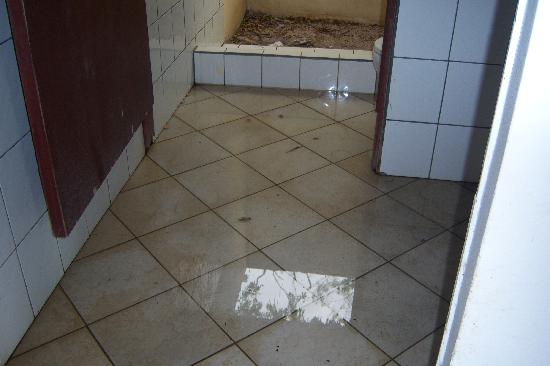
 Situation: Water pipe starts leaking in wall behind washer and dryer.
Who’s Responsible? Most likely, the landlord. It’s possible that an inside-the-wall leak won’t be noticed until water starts leaking out onto the floor, which could be hours or even days later. Landlords will generally be responsible for a leak like this, but if the tenants fail to inform the landlord immediately (ideally, in accordance with the terms of the lease), the tenant could be liable for a portion of the damages.
Situation: Tenant goes away on vacation and their house sitter leaves the tub faucet on until it overflows. Nobody notices for several hours, and there is damage to the floor, subfloor and ceiling of the unit below.
Who’s Responsible? The tenant is ultimately responsible for negligence damages to the rental property, regardless of whether or not he or she was there when it occurred. The tenant can then try to collect any loss from the house sitter. Hopefully, they have renter’s insurance. In any case, this is definitely not the landlord’s responsibility.
Situation: Toilet overflows.
Who’s Responsible? This might be another case that depends on the circumstances. If the pipes are damaged or root-clogged, it’s not the tenant’s fault. However, if the tenant clogs the toilet up and doesn’t attempt to clear the clog, it’s not the landlord’s fault.
How to Minimize the Chances of Water Damage
- Show tenants the location of the water main shut-off valve. Teach them how to turn off the main water supply. Have tenants initial a clause in the lease that they have been shown where the main is, how to turn it off, and that they are responsible for water damages if they fail to do so (unless nobody is home when the leak starts).
- Insist that all tenants carry a renter’s insurance policy. Many landlords require it, since without such protection, tenants can’t always afford to pay for repairs on the damages they cause to rental properties. If someone is injured on the property, such as from a tenant’s dog or from falling in the rental unit, the tenant’s policy will usually cover the damages, saving the landlord from having to submit a claim.
- Supply a toilet plunger in each bathroom. They’re not expensive, and can prevent many headaches. Include a clause in the lease that the tenant must agree to plunge any clogs they cause or they will be responsible for subsequent damages.
- Include in your lease that tenants must contact you immediately when they discover any water leaks. Give them an emergency contact number and make sure you are available at that number. Emphasize that tenants should not email this information—you must be notified immediately.
- Consider installing drip pans in under-sink cabinets, in case pipes ever leak.
Water leaks and overflows are no fun. Every landlord knows leaks can cause major damages, such as rotted subflooring and drywall, warped wood flooring, mold and mildew. Preventing water damages whenever possible is in every landlord’s best interest.
No matter how competitive your rents are, you need to protect your rental property and assets with tenant background checks. Proper tenant screening will ensure you are leasing to the best possible tenants.
Posted by Teresa on March 30, 2012 under Housing Trends, Landlord Tips, Lease and Rental Agreements |
 It seems that smokers are having more and more trouble finding places to light up these days. They can’t smoke at work, or in most other public places, like bars and restaurants. Some municipalities are banning smoking in outdoor parks and other public places, too. Seems like his or her own home will soon be the only place a smoker can legally smoke. Unless they live in a no-smoking rental property.
Is that the case for your rental properties? Are your tenants allowed to smoke in their units, or in common areas? For an increasing number of landlords, the answer is “no.” It’s not so much the smokers’ health that landlords are concerned about—it’s the health of the rest of tenants, including children, who are subjected to second-hand smoke.
If you’re ready to ban smoking in your rental properties, you might experience some pushback from smoking tenants. Smoking is legal, after all. But landlords are within their rights to ban many legal activities, such as owning a pet, playing loud music or operating a business from home.
In many states, laws are changing to specifically state that landlords may adopt no-smoking policies. And some cities have instituted smoking bans on multiunit properties.
A new no-smoking policy generally requires 30 days’ notice before it can go into effect. A tenant with a current lease cannot be subjected to the ban until the lease expires and they sign a new one.
If you’re going smoke-free, think about how you’ll handle your policy. Will you include all units as well as common areas? Will smokers be allowed to smoke in a far corner of the property, or in an isolated area of the parking lot? How will you handle violators? If you own several buildings, would you convert some to smoking and the rest to non-smoking?
There are several ways to approach it, but encouraging tenants to give up smoking is good for everyone. After all, if you won’t subject a tenant to a neighbor’s noise, why would you want to subject him or her to a neighbor’s second-hand smoke?
Protect your rental property and assets through tenant background checks. Proper tenant screening will ensure you are leasing to the best possible tenants.
Posted by Teresa on March 9, 2012 under Landlord Tips, Lease and Rental Agreements |
 Around the country, landlords, insurance companies and municipalities are responding to reports of attacks and other problems posed by “bully breeds” of dogs—mostly pit bull terriers—by prohibiting residents from owning them. The New York City Housing Authority has banned pit bulls from its properties. Some municipalities around the country have also outlawed the breed.
On the other side of the argument are the pet owners who love their animals, as well as those who insist their dogs are companion animals, protected by law. In one such case, a 76-year-old tenant has been told she must give up her pit bull or face eviction. Her landlord has received four written complaints about the dog, from teeth-baring and lunging incidents to barking at children. While the tenant has a doctor’s order certifying the dog as a companion animal, other residents feel the dog has not been properly trained, and it’s just a matter of time before a resident or child is hurt.
The American Insurance Association says that dog bites are one of the biggest categories for homeowners’ insurance claims. In assessing risk, and with millions of dollars per year in damage awards, many insurers refuse to cover homeowners with pit bulls, Rottweilers and other breeds deemed “aggressive.”
Some animal protection groups, such as PETA, are calling for bans on breeding pit bulls, while others insist such actions are discriminatory, and that owners need to be accountable for the actions of their dogs.
Landlords have the right to prohibit animals in rental properties, with the exception of companion and service animals for the disabled. If you as a landlord allow animals, you may designate which types your tenants may keep in your property. Some landlords limit dogs by weight; others prohibit snakes and other exotic animals, while others specifically prohibit dog breeds with a reputation for aggressive behavior.
Just be sure your lease agreement clearly states the rules and the consequences of breaking them. Check with your lawyer and your insurance agent to see how allowing these breeds affect your risk.
Posted by Teresa on February 3, 2012 under Landlord Tips |
 When tenants don’t feel heard, and want to enforce their right as a group, they sometimes form a tenants’ association. Through a tenants’ association, they may feel they can better make their voices heard and improve their living situations.
If your tenants decided to form an association, how would you react? Would you be surprised? Should you be worried? Or would you be angry?
Tenants who wish to form an association may have common concerns, among them are:
- Repairs and maintenance
- Emergency repairs and loss of essentials such as heat, water, electricity or gas
- Inadequate heating
- Loss of utilities due to landlord non-payment
- Privacy violations
- Abusive behavior
- Rent increases and security deposit concerns
While the vast majority of landlords treat their tenants fairly and with respect, and take care of their properties (after all, they are investments), there are those who don’t, and who may respond more quickly when tenants exert a little pressure.
So, what can a good landlord do when tenants form an association?
- Don’t panic.
- Establish a line of communication with the leaders of the association.
- Show an interest in their concerns.
- Listen.
- Fix what’s wrong. If you can’t make necessary repairs right away, explain why and set a date when they will happen.
- Attend association meetings, if they allow you. (They don’t have to.)
- Allow the association to use common areas for their meetings, as long as you allow other groups to use them.
- Don’t discriminate against members of the association, and don’t offer incentives to new tenant to not join the association.
- Check your local and state laws regarding tenant associations. You may be subject to specific regulations.
While tenant associations may not be landlords’ favorite groups, they don’t have to instill fear. Talk to your tenants, take care of their legitimate concerns, and you can improve your relationship for the long run.
Protect your rental property and assets through tenant background checks. Proper tenant screening will ensure you are leasing to the best possible tenants.
Posted by Teresa on January 20, 2012 under Eviction, Landlord Tips |
 Just because you don’t allow subleasing in your rental units doesn’t mean your tenants won’t do it—for a number of reasons. Perhaps they landed a new job in another city, or want to move in with a significant other, or maybe the apartment of their dreams became available. Tenants sometimes want to move before the lease is up; and rather than breaking the lease, finding someone to move in and take it over is a better option. For them.
When your tenants sublease without your knowledge, they have prevented you from conducting your usual due diligence on the people who are living on your property. You don’t know if they have a good rental or credit history. You have no way of knowing if they will take care of your property or be good neighbors. You don’t even know if they have jobs.
How do landlords find out about sublessors? Sometimes, the rent checks keep coming in from your tenant, because the sublease tenant is paying him or her. In other cases, the tenant will have the sublessor send their own checks directly to you. If you accept online payments, your tenant can simply give the sublessor the login and password, and they can pay out of their own account. Depending on the e-pay service, you may or may not have access to the name on the account.
When faced with an unauthorized sublease situation, the landlord holds all the cards. If your lease clearly states “no subleasing,” then you have recourse and can likely start eviction proceedings against the original tenant. And in most sublease agreements, the sublessor only has rights to occupy as long as the original tenant does.
Check with your attorney for all the details, but in most cases, landlords are never under any obligation to accept a sublessor if the lease prohibits it.
Posted by Teresa on January 9, 2012 under Eviction |
 The last thing most landlords and tenants want to face is an eviction. For landlords, it’s messy, time-consuming and can be costly. For tenants, eviction can hurt their chances of renting another home, and could even leave them homeless.
There are ways to prevent a landlord-tenant relationship from ending in eviction, including proper tenant screening and conducting thorough tenant credit checks. But even good tenants lose jobs or have unexpected medical bills that can lead to difficulty paying rent. And when they stop paying rent, and won’t move on their own, eviction is the landlord’s legal recourse.
Depending on the state you live in, landlords are typically required to follow a strict protocol and process of notifying a tenant of impending eviction. Whether or not the tenant decides to fight the notice will determine whether the process goes quickly or drags out. The latter will add time and legal fees to the landlord’s case.
Other legal fees a landlord typically encounters in an eviction case include unlawful detainer for each adult in the rental unit, judgment, garnishment and service fees.
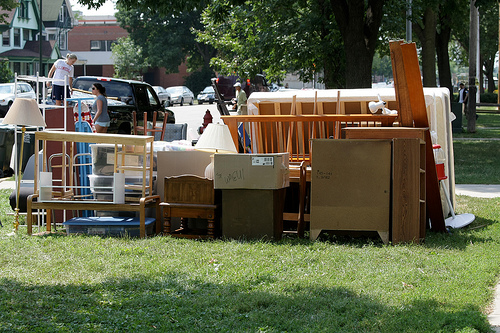
If you win your case, you then must remove the tenant from the property. In most states, you cannot just throw a tenant’s belongings out on the sidewalk. Typically, local law enforcement serves a notice and gives the tenant several days to leave. If they don’t, they will be removed by law enforcement.
In a few states, landlords are allowed to dispose of property a tenant leaves behind, but in most places, you’ll need to store the tenant’s property and follow proper notification procedures. In New York and New Jersey, for example, a landlord must store an evicted tenant’s belongings for 30 days, resulting in additional costs that are rarely recovered.
Expenses for cleaning and repairs add to the losses experienced by the landlord, since any security deposit paid by the tenant has likely been offset by loss of rent and legal fees.
By properly pre-screening tenants, offering an iron-clad lease to qualified applicants, and requiring strict adherence to rent due dates, landlords can establish a business model that lessens the chances of eviction—and saves them significant money and time.
Posted by Teresa on November 16, 2011 under Landlord Tips, Tenant Screening & Background Checks |
 If methamphetamine-manufacturing tenants in Cuyahoga Falls, Ohio get busted, they are expected to pay the costs of cleaning up their labs and disposing of the hazardous waste. If they cannot pay for cleanup after their labs are discovered, their landlords are now responsible, thanks to a new amendment to an existing law.
Until recently, state and federal funds paid for dismantling and removing labs, but that money has come to an end. The local police chief estimated cleanup costs of $1,000 to $5,000 for each meth lab. From removing traces of chemical residue, to dismantling and moving meth-related paraphernalia, landlords are on the hook for everything.
While recognizing that the majority of landlords don’t knowingly lease to drug manufacturers or dealers, the city council that passed the new law stated that it’s simply a cost of doing business.
Some landlords have attended training sessions about meth labs, including lessons on how to identify a lab and what to do if they find one. Meth labs are quick to set up, and the process of manufacturing meth uses easily acquired chemicals.
The real problem for landlords with meth lab cleanup costs is that insurance generally will not reimburse the expense. Not dealing with the problem is not an option. The chemicals used to make meth are extremely dangerous, and even traces of residue pose numerous health hazards, including liver, kidney and neurological damage, and increased risk of cancer.
What Is Involved in Cleaning Up a Meth Lab?
- The entire rental unit must be cleaned
- All traces of chemicals must be removed.
- Walls and ceilings painted
- Carpeting removed,
- All air filters replaced
- Ventilation systems cleaned
- Sinks and plumbing should be replaced
As the landlords of Cuyahoga Falls are discovering, meth labs are not a big-city problem. They are everywhere. The best way to avoid renting to drug manufacturers is to conduct thorough background checks and tenant screening on every applicant. If there is a history of drug convictions or other criminal records, you have the right to turn down the applicant.

 Good communication is one of the most important aspects of running a successful business. Whether you’re dealing with customers, employees, partners or vendors, clear and effective communication affects just about everything else.