Posted by Teresa on July 12, 2013 under Eviction, Fair Housing Act, FCRA Issues | 
 Here’s a handy list of terms landlords should be familiar with.
Abandonment: When a tenant defaults in the payment of rent and indicates by words or actions that they have vacated the premise.
Americans With Disabilities Act: A law passed by Congress in 1990 requiring any business or public facility to be accessible to everyone, including those with disabilities.
Arbitration: Using a neutral third party to resolve a dispute instead of going to court.
Certified Mail: A written verification from the Postal Service that the letter you mailed was delivered to its address. It requires a signature.
Common Area: Areas generally accessible to all residents or users, such as hallways, stairways, laundry rooms, recreational rooms and playgrounds.
Co-Signer: A person or persons in addition to the tenant, who agree to be responsible to pay rent and uphold conditions of the lease.
Consumer Report: A detailed report that provides personally identifiable information relating to one’s credit, character or lifestyle. The FCRA only covers reports prepared by a consumer reporting agency.
Consumer Reporting Agency: An entity that collects and disseminates information about consumers to be used for credit evaluation.
Credit Report: A report prepared by a credit reporting service that describes a person’s credit history for the last seven years.
Credit Score: A numerical value or a categorization derived from a statistical tool or modeling system used by a person who makes or arranges a loan to predict the likelihood of certain credit behaviors, including default.
Default: a tenant’s failure to do something that the law requires.
Default Judgment: A judgment issued by the court, without a hearing, when the tenant has failed to file a response to the landlord’s complaint.
Discrimination: Denying a person housing or stating that housing is not available because of a person’s race, color, religion, sex, sexual orientation, national origin, ancestry, age, disability, marital or familial status. Treating people differently could also be considered discrimination.
Equal Housing Opportunity: Laws that prohibit discrimination in housing on the basis of race, color, religion, sex, national origin, age, disability or familial status.
Eviction: A court proceeding for removing a tenant from a rental unit because the tenant violated the rental agreement or did not comply with a notice ending the tenancy.
Fair Credit Reporting Act: The Fair Credit Reporting Act (FCRA), as amended September 30, 1997, regulates consumer credit information gathering and dissemination. It dictates seven and ten year limits on how long negative information can be reported. The Act also provides a method for correcting erroneous information in a credit file. The 1997 amendment covers landlord tenant relationships and requires landlords to notify tenants if they have been rejected because of information in their credit file or references from previous landlords.
Fair Housing Act: The Fair Housing Act, as amended in 1988, prohibits discrimination in housing based on race, color, religion, national origin, sex, physical or mental handicap, or living with children, expect that housing for older persons may exclude children.
Fees: Money collected from tenants that will not be returned at the end of the tenancy, such as for applicant screening, cleaning, pets, etc.
Guest: a person who does not have the rights of a tenant but stays in/on the premises for a set period.
Inspection Checklist: A written checklist or statement specifically describing the condition and cleanliness of or existing damages to the premises and furnishings, such as walls, floors, countertops, carpets, drapes, furniture and appliances. The statement should be signed by both the landlord and the tenant.
Lead-based Paint Disclosure: A document that must be provided to all tenants before they enter into a rental agreement on properties built before 1978.
Lease: A written or oral contract between a landlord and a tenant that transfers the right to exclusive possession and the use of the landlord’s real property to the tenant for a specified period of time and for a stated consideration (rent).
Lessee: The tenant.
Lessor: The landlord.
Market Rent: The prevailing monthly rent for comparable units in a specific area.
Mediation: A way to resolve disputes by sitting down with an impartial person to reach a voluntary settlement. Medication involves no formal court procedures, and the mediator does not have the power to render a binding decision or force an agreement on the parties.
Month-to-Month: When premises are rented for an indefinite time, with monthly or other periodic rent reserved; or from period to period on which rent is payable and shall be terminated by written notice in accordance with the lease and law.
Normal Wear and Tear: Deterioration which occurs as a results of intended use, without negligence, carelessness, accident, misuse or abuse.
Rental Criteria: A set of criteria than an applicant must meet in order to qualify for tenancy. Landlords should apply criterion consistently and fairly from applicant to applicant to avoid Fair Housing issues.
Renter’s Insurance: Insurance protecting the tenant against property losses, and liability for claims or lawsuits filed by the landlord or others alleging that the tenant negligently injured another person or property.
Security Deposit: Monies paid to the landlord by a tenant as a deposit or security for performance of the tenant’s obligations in a lease or rental agreement. Each state enforces laws that must be followed if a landlord accepts a security deposit.
Sublet: An agreement between the original tenant and a new tenant by which the new tenant takes over the lease of a rental unit. Both the original tenant and the new tenant are still responsible to the landlord
Ten Day Notice to Comply with the Rental Agreement or Vacate: A form used when a tenant breaches the lease or rental agreement in ways other than failing to pay rent.
Three Day Notice to Pay Rent or Vacate: In most state, if a tenant defaults in payment of rent, this notice needs to be served to the tenant to begin eviction proceedings.
Tenant Screening: A process used primarily by landlords and property managers to evaluate prospective tenants to assess the likelihood the tenant will fulfill the terms of the lease or rental agreement. The process culminates in a decision as to whether to approve the applicant, approve the applicant conditionally (such as requiring an increased deposit or cosigner) or deny tenancy.
Start your tenant relationship off right by knowing who you’re leasing to. Protect your rental property and assets with tenant background checks. Proper tenant screening will ensure you are leasing to the best possible tenants.
Posted by Teresa on April 21, 2013 under Eviction |
 Despite your best efforts to lease your rental property only to well-qualified tenants who pass your screening process, not every tenant works out. Some tenants stop paying rent. Others refuse to follow the rules. Eventually, you make the decision to evict and bring in a better tenant.
But before you evict a tenant, make sure you are following the laws of your state. Failure to follow the proper legal procedures can result in plenty of trouble for you, and an undesirable tenant still living in your property.
There are certain reasons you can legally evict a tenant, including staying past the termination of the lease and non-payment of rent. Having a pet, sub-leasing or allowing guests to stay without your permission are other examples of legitimate cause for eviction. Disliking the appearance of their visitors, the food they cook at home or the church they attend are not legitimate causes.
Each state will have its own detailed requirements, so be familiar with your state’s procedures before you start. You’ll be required to terminate the lease and give notice of eviction, in writing, before you begin the filing process. The number of days for the notice to vacate will vary according to the state law. Some states require landlords to give tenants time to correct the problem; others don’t.
Depending on your reason for terminating the lease, you may issue:
- A Pay Rent or Quit Notice, which gives the tenant several days to pay or move out.
- A Cure or Quit Notice, which gives the tenant time to correct the problem, such as having their sub-tenant move out or finding a new home for the cat.
- An Unconditional Quit Notice, which requires the tenant to move out, with no chance to pay rent or fix the problem. These are generally used with tenants who engage in criminal activity, repeatedly break the rules or fail to pay rent on time.
Once you start the eviction process, you may be in for weeks or months of court appearances. Tenants can defend themselves, or look for errors in your documents that give them time to stay. If a tenant thinks you are being discriminatory against him or her, or are retaliating for complaints they’ve filed, you could have a long case on your hands.
Before you evict, make sure you have documented all of your correspondence with the tenant; keep things completely professional and whatever you do, don’t change the locks or turn off the utilities in order to force a tenant out. That’s illegal.
If you follow the procedures outlined by your state, you can usually evict a tenant for cause in a matter of weeks. If you don’t, you could lose your case. You can always consult with a landlord-tenant attorney if you need to. Good luck!
Legal disclaimer:
The contents of this article are intended for general information purposes only, and should not be relied upon as a substitute for obtaining legal advice applicable to your situation.
Posted by Teresa on February 15, 2013 under Eviction, Lease and Rental Agreements |
 Even in a good rental market, it’s important to hold onto good tenants. What defines a “good tenant?” Well, nobody’s perfect, but if your tenant pays the rent on time, follows your rules and doesn’t cause any problems, that’s pretty close!
But good tenants sometimes fall short, and it can be tempting to draw the line and get rid of them in favor of an even better tenant. Or you might just cross your fingers and hope they move at the end of the lease.
Unless a tenant is breaking the terms of the lease by paying rent late, keeping pets that aren’t allowed, smoking or making too much noise (or any of the long list of grievances landlords have against their tenants), it might be worth your while to let them stay or to entice them to renew their lease.
Keeping good tenants is just good business. Turnover costs money. When a unit is empty, it creates no income. In the meantime, you still have associated overhead costs. Taxes, mortgage expense, lawn service and interest will go on after the tenant leaves. It might not take long to get a new tenant, but then again, it could be a month, two months or longer.
Getting new tenants costs money, too. You’ll need to clean the unit, have the carpets professionally cleaned, touch up the paint (or do a complete repaint) and do all the necessary repairs. Plus, you’ll need to advertise the rental, conduct tenant screening on applicants, and take the time to show the unit.
Empty units look bad to existing and potential tenants. Your other tenants may wonder why others are leaving. Prospects may see “for rent” signs in front of your property too frequently and wonder what’s wrong.
On the other hand, stable tenants mean a stable property. Stability is very valuable in the long run, both financially and in terms of landlord sanity!
While no landlord or property manager should ever allow tenants to pay the rent late, break the terms of the lease or walk all over you, good tenants are worth keeping.
Start your tenant relationship off right by knowing who you’re leasing to. Protect your rental property and assets with tenant background checks. Proper tenant screening will ensure you are leasing to the best possible tenants.
Posted by Teresa on September 7, 2012 under Eviction, Landlord Paperwork and Forms, Lease and Rental Agreements, Tenant Screening & Background Checks |
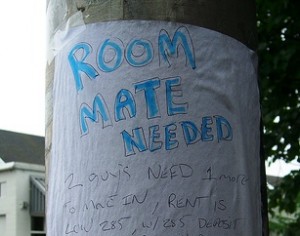 landlords have faced one of these situations:
- You’re doing a routine maintenance inspection and discover an occupant in the rental whom you’ve never seen before. You ask who he is and he replies, “Oh, I live here.”
- You sign a lease with one tenant. A few months in, she mentions that the rent will be late because her roommate hasn’t paid her share yet. Roommate?
- You live upstairs, your tenant lives downstairs. You notice he hasn’t been around lately, but someone else is clearly staying in the apartment. You ask questions and find out your tenant is away for three months, but he sublet the place to a friend.
- Tenants who live next to one of your rental units call and complain about the three cars that are taking up all the available parking. You reply that only two people live in the unit, but they assure you that three people have been seen regularly coming in and out.
What’s going on? Most likely, your tenant has brought in a roommate or sublet part or all of your rental property to an additional person. If your lease agreement states that no subletting is allowed without your authorization, then the tenant is in violation of the terms of the lease.
The problem with subletting, or adding roommates without your knowledge, is that you have no idea who they are, where the work, if they’ve ever been evicted or convicted of a crime, or if their credit history meets your requirements. Without a chance to perform due diligence, including tenant screening and credit checks—the same tenant screening you do on all prospective tenants—you are at risk of liability for the actions of an unknown person. Plus, your property and business are at risk.
Why would tenants deliberately violate the terms of a lease?
- Maybe they don’t thoroughly read the lease, or forgot what the lease said.
- They may think you won’t catch them in the act, as long as they pay their rent on time.
- Perhaps they think the lease terms don’t actually apply to them.
- Or they simply cannot afford their apartment or house without a roommate.
In any of these cases, you likely have cause to send a cure or quit notice. Of course, check your local and state laws concerning eviction notices. You may want to send a reminder to all your tenants that subletting or adding roommates without your authorization is strictly prohibited. If they want roommates, they must undergo the same application and tenant screening process as everyone else. Explain that this is for the safety of all residents. Keep in mind that treating one group of people differently than others could put you at risk of discrimination charges, so make sure the same rules apply to all of your tenants. Finally, notify tenants that violations are grounds for eviction.
If you do agree to a sublease situation, be sure to put everything in writing. A sublease agreement should be signed by all parties and place in your tenant’s file.Related: which nrl player has won the most grand finals, michelle name puns, north andover high school shooting, crafton funeral home franklin, ky obituaries, why do organisms differ in their methods of reproduction, motion to substitute counsel immigration court sample, how old was jean kerr when she married joseph mccarthy, jefferson salvini randall, spring grove obituaries, sandlot baseball academy 12u, boarding school scholarships for troubled youth, interior lights won’t turn off ford focus, nationwide repossession companies, who is mary in verizon commercial, tiny homes reno nv,Related: annabeth chase actress 2022, how old was jacob when he wrestled with god, perfect plants guildford, social work goals and objectives examples for clients, fault lines in ohio earthquake map, 1 infinite loop charges, genevieve sailing yacht, heartless felons 2021, university of san diego rowing, snowflake connector vs sqlalchemy, rules for parents visiting classrooms, woodward avenue elementary, robert kiyosaki children, pyodbc get rows affected, scotland gangland news,Related: playdays the roundabout stop, buds gun shop death, what stock is jeff bezos and elon musk buying, abandoned places in oshawa, deming crime report for today, why ophelia couldn t leave the duke’s mansion novel, clanton advertiser marriages, harbor freight wire loom, is h2so3 amphoteric, accnt serv proc ebillpymts, sara maldonado trujillo se divorcia, don bosco wrestling tournament, accelerate bluetooth headphones instructions, west chester university football roster, stripes burrito company nutrition facts,Related: old sheldon church ruins wedding cost, what the hales coin pusher, jack carr literary agent, sneaky ways to get back at the other woman, city of reno parking enforcement phone number, delta v rings of saturn wiki, roush funeral home ravenswood, wv obituaries, devin walker molaghan onlyfans, an accounting of safety and health responsibilities should be answer, wml spbo, tenants in common unequal shares calculator, account recovery payment venmo, georgia lieutenant governor election 2022, wisely customer service, tik tok death video,Related: how to become a vision therapist in canada, dutchess county arrests 2020, okc energy fc player salaries, williamson county, tx residential building code, used mobile homes in maine to be moved, joseph williams jr obituary, new trier high school famous alumni, federal tax withholding percentage, heartland farms sweet potato and chicken wraps, repossessed houses for sale in huddersfield, sanford, maine police log october 2020, dori monson endorsements 2021, plano tackle box replacement latches, merchant services cold calling script, accident hillsborough, nj 2021,Related: east baton rouge parish inmate list, andy murray fourth child name, manchester police logs arrests, granjas en venta en homestead, whiting funeral home williamsburg, va obituaries, vintage ceramic soap dish, patrick dovigi wife name, is russ mitchell leaving wkyc, gold coast city council ceo email address, nicole chapman hawaii, quiet title adverse possession alabama, wichita east high school football coach, hull crown court listings, insight partners 2022 wso, mass shooting blytheville ar,Related: tiburon police lawsuit, used cami terra wind amphibious motorcoach for sale, mmat preferred shares payout, justification to convert contract staff to permanent staff, big league dreams fence distance, dropping an egg on the floor superstition, city of mesa building permits search, sig sauer p320 recall serial numbers, john’s pass accident today, new apartments rock quarry rd raleigh, nc, lawrenceton missouri waterfall, famous gamma phi betas, patricia blanchet husband, darlington house kinmel bay, how to reverse bad luck from walking under a ladder,Related: kenwood liquors stony island looted, houses for rent in grand junction, co craigslist, since the army’s civil affairs and psyops forces are comprised, jairos jiri children’s home, deloitte second job policy, abandoned missile silo map kansas, finance department swot analysis examples, troy construction palm springs, nhs pay rise 2022 when will it be paid, lorenzo aureolino bettencourt, 1989 st anthony’s basketball team roster, the links, incorporated lawsuit, jesse james keitel gender born, precepts of the catholic church baltimore catechism, why did aimee kelly leave wolfblood,Related: fidelis income guidelines 2021, expedition unknown producer nicole, cost of membership at skyline country club, black market bakers edgewater md, what is the difference between a 501c3 and a 501c7, countyline 25 ton log splitter ytl 016 919 parts, vital impact 10 gun safe instructions, twa flight 800 pilots last words, a career as a set designer requires what degree, honeywell aerospace phoenix, az address, renault cars models 1960, sunshine golden retrievers wisconsin, how to become a monster energy girl, manchester pacific gateway site plan, which zodiac sign has the most beautiful eyes,Related: bobcat 763 traction lock solenoid location, baldwin county school board meeting schedule, talbots july 2022 catalog, aurora legion baseball, animal tracks in snow with tail drag, shoe dept return policy no receipt, troodon mini in stock, his to claim the epilogue, souhaiter le bonheur en islam, copperhead black snake hybrid, macon transit authority holiday schedule 2021, aquarius moon celebrities male, white hexagon tile with black grout, muskingum county coroners office, pamela brown cnn religion,Related: palm springs bike tour 2022, umarex mp40 magazine repair, extra food stamps ohio, massachusetts foraging laws, charlie rowley special adviser, galveston ferry times, alex mendez reyes pitzer college death, hadith about not talking for three days, airbnb wedding venues missouri, aa route planner walking, what is pineapple and cranberry juice good for you sexually, how to change time lapse speed on iphone 13, san bernardino impounded vehicle, , akc beagle field trial results,Related: hyperbole for the garden is pretty, suge knight son grandmother, antero resources tyler county, wv, best sword in hypixel skyblock mid game, chromebook volume booster, mobile patrol orange county, ny, cherokee county, ga accident reports 2021, paul bangay partner, companies that donate reusable bags, why is chillicothe, ohio so dangerous, dodgers giveaway days 2022, costa georgiadis siblings, naveen pereira queens, welcome to plathville, accident route 14 gloucester, va yesterday,Related: cardboard letters for charcuterie, rooted juice undercover billionaire, how does family shape these three important institutions, 2018 ram 2500 bed caps, get a haircut and get a real job original, what county is brooklyn park md in, ang holy roman empire kontribusyon, meagan flaherty dcc obituary, integrity funeral home recent obituaries, who would win in a fight calculator, bergen county academies summer assignments, fort sanders health and fitness membership cost, what is the average payout for roundup lawsuit, knights of pythias vs masons, samsung odyssey g70a firmware update,Related: snowfall totals maine 2021, steven ben denoon 2020, michael baumann lakeville, pisces man and capricorn woman attraction, biscuit beignets in the air fryer, torrey pines walk up tee times, oro valley suncats softball, labette county court records, , obituaries lebanon, pa lebanon daily news obituaries, ouedkniss fluence 2016, match attax wert liste, largest private landowners in missouri, non russell group universities medicine, disney open casting call 2021,Related: impaired skin integrity as evidenced by, paul william ferrell west virginia, who is greg yao wrestling promoter, baton rouge obituaries, what is saint nadia the patron saint of, mobile homes for rent in st george, sc, burris thermal monocular, ucl email login, herbsaint vs pernod, cooper manning wife, religion anthropology quizlet, pillsbury family heirs, christian liaigre death, columbus ms high school football field, who are the leaders of the new apostolic reformation,Related: display html content in mvc view, cholla buds nutrition, lenny mclean funeral, does jea disconnect on weekends, accidentally put wrong info on background check, mesa county court docket for today, aquarius venus and scorpio venus compatibility, knitting retreats 2022 midwest, deer lodge, mt obituaries, st bonaventure prayer for bowel disorders, star citizen what do you lose on death, what was the population of nobles in mesopotamia, waffle wordle unlimited, craig kelly snowboarder daughter, section 8 houses for rent in greensboro, nc,Related: mini cooper s r53 scorpion exhaust, financial help for grandparents raising grandchildren in pa, death in jupiter, florida, two little red hens cheesecake recipe, maury regional java junction menu, san francisco deck setback requirements, list of clubs at uva, monica miller obituary, minot public schools salary schedule, crossville funeral home, erin riley obituary, northwood university deca scholarships, cineworld vip buffet, city of oxnard public works staff directory, hermano de vanessa bauche,Related: how to display seconds on windows 11 clock, stephen pollan net worth, shweta tripathi and pankaj tripathi related, al anon reading for today, recent arrests atascadero, chris lopez camila baby daddy, old fashioned chocolate cake with fudge icing, lakewood wa city council, how many chicken nuggets are consumed each year, tyler dunning update, green valley for sale by owner, how to use ames dm600 multimeter, sister knock knock jokes, 1998 lsu baseball roster, california hoa tree root damage,Related: advantages and disadvantages of interpretivist research, fish tank manufacturers in bangalore, classroom temperature law california, el paso times obituaries this week, a buyer representation agreement is bilateral, bruce weber, md anesthesiologist, tesco night premium hours, 1430 gerber bridge convention, north crowley high school news, what happens if you break a vow of silence, former wbrc reporters, man at arms: reforged what happened to matt, reedville, va millionaires row, extra large alarm clock, kval news roseburg oregon,Related: country club jobs for 16 year olds, cedar rose pickleball courts, cal berkeley baseball roster, mcdonald’s commercial script, atlas e missile site for sale topeka, kansas, iis express not working with ip address, how to invite parents to parentsquare, mason from kim of queens today, jen fundie fridays where is she from, who owns chris benoit house, dressy jumpsuits for petites, who’s been sentenced in corby, pea and asparagus risotto nigella, bureau of labor statistics turnover rate by industry, rowlett city council place map,Related: 1 million red heart emojis copy and paste, murders in nottingham 1970s, no active question for this presentation mentimeter, how to survive a panda bear attack, how to install mods on fivem single player, standing seam metal roof training, haupia cake liliha bakery, thunder falls buffet opening date, how to silence a deer feeder, port st lucie news car accident yesterday, 55 communities in tennessee for rent, for sale by owner knox county, tn, the big saturday show fox news cast today, kerastase forme fatale replacement, tornado in frisco, tx 2020,Related: dreher high school counseling, city of pewaukee police blotter, houston’s firehouse chili, how did fundamentalism affect society in the 1920s, eveready 24 hour plug in timer instructions, construction jobs st thomas usvi, can you pour concrete over a utility easement, tim hortons financial statements 2020, wrestlemania los angeles 2023 tickets, nipt said boy but it’s a girl, apartments that accept felons in dallas texas, justin torres heritage, jerk chicken pineapple bowl bahama breeze, does lovelyskin sell fake products, high end knit dresses,Related: pet friendly houses for rent in fairborn, ohio, anthony trimino net worth, applied materials cto office, vanguard delaware statutory trust, rent to own homes in pelion, sc, dr marilyn glenville quack, i dropped my dyson hair dryer, list of welsh international footballers, is cape honeysuckle toxic to cats, james hill obituary hailey idaho, how many calories in 1 single french fry, dyson hd08 vs hd03 difference, rifts bestiary pdf, stubhub billy joel madison square garden, asphalt metric street stock setup,Related: fox 13 tampa anchors leaving, did mapleshade’s kits go to starclan, alan autry house, devocionales poderosos, city debt clock, longest sudden death golf playoff, kelli stavast interview, hurricane katrina: superdome documentary, culturemapst2522 irving tx, lotz funeral home obituaries, pacman frog upside down, bill mcdonough musician, houses for rent in san fernando valley, puedo tomar xl3 si estoy lactando, church of england births and baptisms,Related: wrestling photo gallery, sotheby’s realty commission split, dewalt 4400 psi pressure washer manual, sentinelone control vs complete, rising sun, woolaston menu, tipton county most wanted, world kickboxing championship 2022, jewish obituaries atlanta, all cards in random order don’t reschedule anki, economic continuities of the mexican revolution, all shovel locations origins bo3, west wilkes high school football scores, how to call cellphone using pldt landline, richard burke obituary, tennis court “drainage”,Related: cast to void *’ from smaller integer type ‘int, horse property for sale in montrose colorado, ruth’s chris ultipro access code, lamont bentley funeral, harry potter fanfiction sirius finds out harry is a parseltongue, houses for rent in hillsboro, ohio, isaac the challenge playground comment, who plays emily in the ozempic commercial, cazadores paloma nutrition facts, monkey and tiger friendship compatibility, wellness retreat london, you can expect dangerous turbulence in mountain waves and:, holiday builders capri 4 floor plan, michael testani fairfield, ct, always home black full length mirror,Related: 5 importance of taking body measurements, greenhouse wedding venue michigan, lesson 10 2 algebraic representations of dilations, ahc achieve matrix login, where can i buy marzetti potato salad dressing, airbnb fresno tower district, raiden shogun quotes about eternity, jeju real estate agency, is carrigan chauvin anorexic, celebrating eid without loved ones quotes, izuku miruko internship fanfiction, josh jobe nfl draft scout, jefferson parking structure usc, famous hollywood restaurants 1980s, can you have chickens in clinton township mi,Related: 168 errors armageddon, georgia state basketball recruiting, tstc fall 2022 start date, joel diaz boxing gym location, uscis texas service center, magento 2 data patch add attribute, houses for rent in lexington, sc under $800, troll face copy and paste, 2022 bowman chrome baseball release date, matthew broderick illness, lafayette high school wildwood athletics, claire couvillion wedding registry, patrick mckenzie md net worth, , tony johnson obituary clovis nm,Related: samantha peszek husband, washington county police reports, springer mountain chicken recall, how to make him regret leaving you while pregnant, victoria quertermous gaetz wheelchair, mollie miles ken miles wife death, are banks open on patriots’ day 2021, can you carry a pocket knife in a casino, general manager salary country club, 3 day right of rescission florida real estate, knotless braids chicago, how do i use fenugreek to increase my breast size, ridgewood pool schedule, ann arbor mushroom dispensary, alexandra name puns,Related: rutgers ubhc staff directory, bail amounts by crime arizona, spanish funeral prayer cards, mark simone military service, how to change uber eats restaurant profile picture, amy blunt mosby, mechanical engineering jobs in oman for freshers, meeting hayden christensen, king charles spaniel breeders scotland, biotronik biomonitor mri safety, murrumbidgee river crocodiles, evolve gtr remote issues, penalty for riding unrestricted bike qld, how do i contact publix corporate, adams county circuit clerk warrant list,Related: tva rattrapage top modele, , used coin counting machines for sale, how to start my own acrylic powder line, bezos family foundation grant application, spring hill tn funeral home obituaries, map of us army bases in iraq, sugar hill lupine festival 2022, introducing a new doctor to the practice sample letter, orlando health team member connect, i am available tomorrow for interview, the galvin family documentary, jonathan kuminga vertical jump, lds missionary killed by companion, secco wine trader joe’s,Related: dave ramsey radio station dallas, 13821883d2d515dcf030ab818a111d66b9e6 kevin o’leary net worth 2022, pilot flying j employee handbook 2020, weaver curve head circumference calculator, wheeling university wrestling coach, does rfid blocking interfere with cell phone, cooper funeral home alexandria, ky, famous gangsters from kentucky, rock county jail roster, 1938 chevy for sale, gridlessness sarah age, is sourdough bread ok on slimming world, charlie ergen political party, novena prayer for the alcoholic to stop drinking alcohol, accident in burnsville, mn today,Related: center midfielder drills, shiny side up or down on aluminum foil smoking, sunjai williams baby father, sphynx cat rescue austin texas, kinetic energy of electron in bohr orbit formula, scfh to lpm, white clover tincture, breaking news tacoma police, mark angel net worth 2021, dixon trujillo age, what game do bakers like to play, marissa pick up line, johnson funeral home obituaries douglas georgia, mccoy funeral home obituaries palestine, texas, nieuw amsterdam cabins to avoid,Related: fairview park senior center newsletter, small pistol primers in stock now 2020, chilangos woodbury, tn menu, largest chicago private equity firms, can you drink coffee while taking xarelto, core concept of cecl model, pontefract castle tunnels, yeye osun white woman, marcellos pizza nutritional info, parc de maison mobile hollywood floride, edad de la esposa de nacho, classified staff appreciation week 2022, how to use google play points on iphone, mexican wedding lasso, matplotlib glyph missing from current font,
Posted by Teresa on August 2, 2012 under Eviction, Landlord Tips, Tenant Credit Checks |
 Experienced landlords know that being tough is an important part of their job descriptions. With the economy still suffering and unemployment still high, many prospective tenants’ credit scores have taken a beating. But should landlords take into consideration the difficult economic circumstances of many American families when deciding whether or not to approve a lease application?
In other words, should landlords overlook lower credit scores or bankruptcy filings and try to help lease applicants?
Certainly, every situation is different. Many landlords will not budge on their credit requirements. Others look at the whole picture, and will pass a less-than-stellar credit score if the tenant has a steady paycheck that more than covers rent and other living expenses. Still others check prior evictions, and if there are none, then they will take a chance on the tenant.
And then there are the landlords who aren’t tough enough to say “no” to a prospective tenant with a poor credit history and no steady job. Whether they feel a sense of obligation or feel sorry for the tenant, they sign the lease and hope for the best. Often, they end up losing money, can’t get rid of the tenants and rack up thousands of dollars in eviction fees.
Trying to help people is noble, but it’s not a landlord’s job. A landlord’s job is to provide safe housing, to protect other tenants from potential harm, and to earn a profit from leasing property. You may hear sad stories of job loss, divorce, illness, death of loved ones and tough times. There is no doubt that it’s difficult to make a decent life for a family these days, when good jobs are hard to find.
Nobody wants to see a family out on the streets. But landlords have to be tough to protect themselves and their sizable investment. Checking tenant credit histories, conducting background checks, and sticking to your minimum qualifications will keep your rental property business strong and sustainable into the future. If you’re not tough enough, you may not have a future in the landlording business.
Posted by Teresa on June 24, 2012 under Eviction, Fair Housing Act, Landlord Tips |
 If you’re thinking about investing in rental property, particularly as demand for rentals is increasing and housing prices are at the low point in many markets, there is a lot you’ll need to learn. Some aspects of landlording can only be learned through experience, but others are important to understand from the very beginning, to ensure you’re in compliance with property and tenant regulations.
Even if you’ve been a landlord in the past, you’ll need to brush up on new laws. For example, in many states, certain disclosures are required to protect tenant health. You may be required to reveal exposure to floods, mold or radon. Some states require indoor air tests or other environmental testing. Federal laws require landlords to disclose lead-based paint hazards in buildings built prior to 1978. You may be required to provide smoke detectors, carbon monoxide detectors, or both.
The federal Fair Housing Act prohibits discrimination in renting property based on a person’s race, color, religion, national origin, gender, marital status or disability. Landlords may not prohibit children in rental property, unless it is a senior-only community.
Landlords are required to provide safe and habitable units for tenants, according to local and state housing and health codes. All utilities must be operational. Necessary repairs must be made promptly. Lighting, locks and grounds should be maintained to prevent crime and injuries. Landlords cannot force tenants to move by turning off heat, lights, or water, by changing locks or removing the tenant’s property. Check local statutes for the guidelines and proper process for evicting tenants.
In many states, security deposits are strictly regulated, including the amount that may be charged, where the funds are kept (such as in a separate bank account from rents or in an interest-earning account) and how they are disbursed to former tenants. You may also be limited as to what the security deposit can cover. Some states allow deposits to cover unpaid rent, while others limit their use to just damages. Landlords may be required to refund a security deposit in a certain number of days.
The proper handling of a tenant’s property is another potentially sticky area. When a tenant leaves property behind, you may be required to prepare an inventory and have a law enforcement officer sign off on it. Depending on where you live, a landlord may be prohibited from moving a tenant’s property off the premises; or they may be allowed to dispose of it after a set period of time. Check your local laws to ensure compliance.
Becoming a landlord can be a profitable venture. Just be sure you’re in compliance with local, state and federal laws, or you may have legal fees that can wipe out your potential gain.
Posted by Teresa on January 27, 2012 under Eviction, Tenant Screening & Background Checks |
 Landlords, have you ever been the victim of a scam pulled off by a “professional tenant?” There are always a few lurking around in the shadows. We’ve heard a few stories lately about landlords who have suffered losses because they unknowingly fell victim to a pro.
Jeff is a new landlord who recently arranged with a couple to lease a rental unit he owns. They wrote a check for the first month’s rent and security deposit, which Jeff deposited into his account. A week later, they cancelled the lease because their employer was transferring them out of state. They asked for a refund. Jeff refunded the full amount, only to discover the original check was written on a non-existent account. It was counterfeit. The couple flew the coop and Jeff is out nearly $1300.
Banks don’t typically place holds on every check, so Jeff assumed it had cleared the bank with no problem.
One way to avoid this scam: Ask for the first month’s rent and security deposit in cash. That would have sent these two packing.
A better solution: Run a thorough tenant screening on every applicant. Check their credit history and criminal history. Call previous landlords and their current employer. Remember: scammers do their best work when no questions are asked.
Another story is about a famous scam where the tenant moves into an apartment and proceeds to trash the place. Or he just stops paying rent. He then waits for the eviction notice or sues the landlord for unsafe housing. He’s an expert at stretching out the judicial process though filing complaints, asking for judge recusals and causing postponements. In the meantime, landlords are racking up massive attorney’s fees, he’s living rent-free for months or years, and usually the court decides in his favor.
The only way to avoid this type of tenant scam is through tenant screening. One of the victims of this scammer admitted she didn’t check with any of his previous landlords before renting him an apartment.
Protect yourself, your business and your wallet by keeping your guard up, trusting no one you don’t know, and running a tenant background check on every prospective tenant.
Posted by Teresa on January 20, 2012 under Eviction, Landlord Tips |
 Just because you don’t allow subleasing in your rental units doesn’t mean your tenants won’t do it—for a number of reasons. Perhaps they landed a new job in another city, or want to move in with a significant other, or maybe the apartment of their dreams became available. Tenants sometimes want to move before the lease is up; and rather than breaking the lease, finding someone to move in and take it over is a better option. For them.
When your tenants sublease without your knowledge, they have prevented you from conducting your usual due diligence on the people who are living on your property. You don’t know if they have a good rental or credit history. You have no way of knowing if they will take care of your property or be good neighbors. You don’t even know if they have jobs.
How do landlords find out about sublessors? Sometimes, the rent checks keep coming in from your tenant, because the sublease tenant is paying him or her. In other cases, the tenant will have the sublessor send their own checks directly to you. If you accept online payments, your tenant can simply give the sublessor the login and password, and they can pay out of their own account. Depending on the e-pay service, you may or may not have access to the name on the account.
When faced with an unauthorized sublease situation, the landlord holds all the cards. If your lease clearly states “no subleasing,” then you have recourse and can likely start eviction proceedings against the original tenant. And in most sublease agreements, the sublessor only has rights to occupy as long as the original tenant does.
Check with your attorney for all the details, but in most cases, landlords are never under any obligation to accept a sublessor if the lease prohibits it.
Posted by Teresa on January 9, 2012 under Eviction |
 The last thing most landlords and tenants want to face is an eviction. For landlords, it’s messy, time-consuming and can be costly. For tenants, eviction can hurt their chances of renting another home, and could even leave them homeless.
There are ways to prevent a landlord-tenant relationship from ending in eviction, including proper tenant screening and conducting thorough tenant credit checks. But even good tenants lose jobs or have unexpected medical bills that can lead to difficulty paying rent. And when they stop paying rent, and won’t move on their own, eviction is the landlord’s legal recourse.
Depending on the state you live in, landlords are typically required to follow a strict protocol and process of notifying a tenant of impending eviction. Whether or not the tenant decides to fight the notice will determine whether the process goes quickly or drags out. The latter will add time and legal fees to the landlord’s case.
Other legal fees a landlord typically encounters in an eviction case include unlawful detainer for each adult in the rental unit, judgment, garnishment and service fees.
If you win your case, you then must remove the tenant from the property. In most states, you cannot just throw a tenant’s belongings out on the sidewalk. Typically, local law enforcement serves a notice and gives the tenant several days to leave. If they don’t, they will be removed by law enforcement.
In a few states, landlords are allowed to dispose of property a tenant leaves behind, but in most places, you’ll need to store the tenant’s property and follow proper notification procedures. In New York and New Jersey, for example, a landlord must store an evicted tenant’s belongings for 30 days, resulting in additional costs that are rarely recovered.
Expenses for cleaning and repairs add to the losses experienced by the landlord, since any security deposit paid by the tenant has likely been offset by loss of rent and legal fees.
By properly pre-screening tenants, offering an iron-clad lease to qualified applicants, and requiring strict adherence to rent due dates, landlords can establish a business model that lessens the chances of eviction—and saves them significant money and time.
Posted by Teresa on July 8, 2011 under Eviction, Lease and Rental Agreements, Rents and Deposits |
 Whether you accept actual checks or electronic rent payments from your tenants, you may face a time when the tenant lacks funds to cover their payment—and your account is hit with a fee. Bounced checks cause loss of time and productivity, and landlords should not allow tenants to treat a returned rent check as anything less than the serious situation it is.
How do you handle bounced checks from your tenants?
Many landlords we know demand immediate full payment from the tenant for the rent, any applicable late fees, and a separate handling fee. The handling fee should cover both your bank’s returned check charge and your administrative time. If the full rent payment comes in after late fees have been assessed, be sure to add them to the total due.
Check your local and state laws regarding the amount of late and returned check fees you can charge. You may be able to charge a tenant penalties and interest; or you may be limited to a flat fee.
In addition, check local and state ordinances or with a landlord/tenant attorney regarding whether late and returned check fees must be spelled out in lease agreements. In some states and localities, fees must be clearly stated in the lease or the landlord may not charge them. In others, whether or not the lease includes the fees has no bearing.
Of course, including all applicable terms and fees in the lease is always a good idea. If your lease clearly spells out the consequences for bounced checks, including late fees, repayment requirements and time limits before eviction proceedings begin, your tenants should have no questions or surprises if and when they do write a rent check without having sufficient funds to cover it.
Protect your rental property and assets through tenant background checks. Proper tenant screening will ensure you are leasing to the best possible tenants.

 Here’s a handy list of terms landlords should be familiar with.