Posted by Teresa on June 14, 2013 under Fair Housing Act, Landlord and Tenant FAQs | 
 Between the Fair Housing Act and the Americans With Disabilities Act, it’s clear that landlords must accommodate tenants with disabilities. If your rental property is of a certain size and age, it’s probably already built to accommodate wheelchairs. And if a unit is to be leased by a person with disabilities, you must allow them to make reasonable modifications to accommodate their needs. And of course, if a tenant requires a service animal, you must allow it, even if you have a “no pets” policy. You’re entitled to ask for documentation from your tenant’s healthcare provider outlining the need for the service animal.
But what about your tenants’ guests? One landlord experienced this situation recently. A tenant had a long-term visitor who brought his dog along. When reminded of the no-pets rule, the tenant stated the dog was a service animal.
In this case, is the landlord obligated to accommodate the guest’s animal? And is the landlord allowed to request documentation?
The answer to both questions is “yes.” Under the Fair Housing Act, persons who are associated with tenants are a protected class if they have a disability. If that disability is not obvious, the landlord may request verifying information. Note, however, that a landlord may not ask that the verification letter include a description of the disability.
So there you have it. You may certainly ask a tenant why their guest has an animal and if it is a service animal, ask for verification. Otherwise, you could have angry tenants who wonder why you’re making an exception to the no-pets rule.
Posted by Teresa on May 23, 2013 under Landlord and Tenant FAQs, Landlord Paperwork and Forms, Rents and Deposits |
 One of the biggest issues landlords and tenants seem to have is the handling of the security deposit. Smart landlords require them—and all landlords should. Here are some basic points about security deposits you should know and be ready to share with your tenants whenever questions arise.
The security deposit is:
- Money collected up front to compensate for damages. At the termination of the lease, any repairs, cleaning fees or other expenses incurred to take care of damages outside ordinary wear and tear will be taken out of the tenant’s prepaid security deposit.
- Money collected up front to compensate for failure to pay rent, fees and late charges. In case a tenant fails to pay rent, fees or late charges, the landlord may get compensation from the security deposit.
- The best way to prevent financial squabbles between landlords and tenants. Once the tenant has moved out, it’s nearly impossible to chase him or her down to collect for lost rent or damages.
The security deposit is not:
- The last month’s rent. You should not allow a tenant’s security deposit to be used as the last month’s rent. They are two separate categories. Tell all tenants that they need to pay their last month’s rent, and after they are all moved out, you will conduct an inspection and walk-through to determine whether there are any damages to the property, and how much, if any, of their security deposit they will receive back.
- A savings account. Some states, such as California, require landlords to pay interest on security deposits held for at least a year, but most do not. California landlords may elect to hold the security deposit in an interest-bearing account or pay the interest established by a state commission. However, most states do not have the interest-paying requirement, and therefore, landlords may return all, a portion of or none of the security deposit to the tenant without any additional interest. Check your local and state laws.
- The landlord’s money. It is your tenant’s money, which you are holding as a small insurance policy against the possibility of loss due to damages or unpaid rent, fees or late charges. Smart landlords deposit tenants’ security deposits into separate accounts which they do not use for business expenses.
By the Way: It’s not up to the tenant to determine whether he or she has caused any damage. Checklists and photos of the rental unit on move-in day and move-out day are a great way to document any needed cleaning or repairs.
Posted by Teresa on April 9, 2013 under Landlord and Tenant FAQs |
 One question that many new landlords ask is whether or not they are liable when a tenant suffers injuries or damages while living in the rental property. Others wonder if they need landlord insurance, or if their homeowner’s policy will cover them.
We’re not insurance experts, so if you have questions specific to your situation, consult your insurance agent. But we can offer some common-sense guidelines.
First of all, when you become a landlord and lease out your property, you take on more risks. In many states and cities, landlords are also held to certain rules regarding safety. So if a tenant falls down the stairs, for example, you could be liable for her injuries, depending on whether or not proper handrails, non-skid surfaces and other safety measures are in place.
If you have followed all the rules, the tenant’s personal insurance might cover her losses. But if not, she might try to seek retribution from you.
What about when a water pipe bursts and water leaks in your rental unit, soaking the carpet, damaging the ceiling below or soaking into the drywall? Water can do a lot of damage, as can fire. You need to protect your business and personal assets from the costs of rebuilding from fire, water and smoke damage.
These are three good reasons to have landlord insurance. A liability policy will protect you from damages. However, it’s important to realize—and tell your tenants—that your liability policy will not typically cover their possessions. They’ll need their own renter’s insurance for that coverage. Renter’s insurance will also cover tenants if they are negligent and cause injury or damages.
It’s a good idea to require tenants to have renter’s insurance.
Start your tenant relationship off right by knowing who you’re leasing to. Protect your rental property and assets with tenant background checks. Proper tenant screening will ensure you are leasing to the best possible tenants.
Posted by Teresa on March 7, 2013 under Landlord and Tenant FAQs, Legal |
 A landlord recently asked a question regarding firearms:
“Since the Newtown, Conn. shooting, I’ve been thinking that I’d rather not have any guns in my properties. I’m concerned that a tenant or a child could be shot by accident or as a result of a domestic disturbance. And what if a shot went through the wall to another tenant’s apartment? Can I ban firearms?”
It’s true that guns and gun laws are a hot news topic. Many landlords are wondering if they have the right to ban firearms from their properties. The answer in most places is “yes.” It’s always best to check your state and local laws to be sure. Minnesota, for example, does not allow landlords to restrict the lawful carry or possession of firearms by tenants or their guests.
While the second amendment to the U.S. Constitution is widely quoted by firearms owners and enthusiasts, it only covers the government’s response to guns held by private citizens. Just as landlords can ban pets, waterbeds and campers, they can ban guns from their properties.
If they prefer to keep a gun-free property, landlords can choose not to rent to gun owners, who, unlike persons with disabilities or other groups, are not a protected class.
Now, we’re not saying that banning guns will make a landlord more popular. It might make prospective tenants angry. Some gun owners might ignore the rule and bring guns onto the property anyway. If you do find a firearm on the property, the tenant would be in breach of the lease.
But if you feel better instituting a no-guns rule, check with an attorney versed in landlord-tenant law, or check your state’s gun laws before instituting it. For tenants with current leases, you’ll have to wait until renewal to add the new provision. Some may choose to move out. And of course, once you have a signed lease, you would not be allowed to conduct a search of a tenant’s unit to look for firearms.
Posted by Teresa on December 19, 2012 under Landlord and Tenant FAQs, Landlord Tips |
 In most states, it is the landlord’s responsibility to see that repairs are made within a reasonable time. But have you had tenants offer to make their own repairs? At first, it might seem like a reasonable idea. Your handy tenant offers to paint, repair the dishwasher or replace broken glass in your rental unit. In exchange, you offer a rent reduction. You experience fewer repair hassles and out-of-pocket expenses, and he or she saves some money. Everyone’s happy and nothing could go wrong, right?
As with most all-or-nothing statements, this one is definitely wrong. There are so many possible problems posed by allowing well-meaning tenants to perform repairs.
First of all, unless they do it for a living, even the handiest people don’t come close to the quality offered by a professional. And in many cases, they can cause more damage than they fix. One landlord reported that a simple dishwasher repair was performed incorrectly, resulting in a leak that went undetected for weeks, causing extensive damage to beams and subflooring.
Then, there is the issue of who pays for what. Does the tenant cover parts and labor, or will the landlord be expected to pick up the supplies and parts? If the tenant buys the paintbrushes, and gets a rent reduction, does the landlord then own the paintbrushes? Getting everything in writing might seem like a hassle for such a small job, but you can probably imagine how not doing so could make it much messier.
Finally, landlords must consider the potential for tenant injuries. Few tenants are licensed and insured on their own, so who is responsible for any injuries that occur? One landlord we know faced the potential for thousands of dollars in damages when her tenant replaced broken glass and was seriously injured in the process. The landlord’s liability policy did not cover the losses, since the tenant was not an employee. Eventually, the case was settled, but not without a great deal of time, worry and expense on the landlord’s part.
When you’re running a business, allowing non-professionals to perform work on your building is not the best approach. The potential for problems exists throughout the process, and the end result is rarely what you expected. The same applies to the business of landlording. Think twice before you allow a tenant to make repairs!
Posted by Teresa on November 30, 2012 under Housing Trends, Landlord and Tenant FAQs |
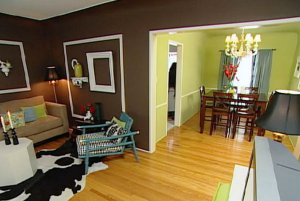 Do you furnish your rental properties or have you ever considered it? What are the advantages and disadvantages? We’ve looked around and found that while the vast majority of landlords rent their properties without furnishings, some find that doing so gives them an advantage for a niche that works.
Advantages of furnished rentals:
• Higher rent: In some areas, furnishing a rental property can as much as double the rent.
• Higher-end tenant: With the right location, amenities and furnishings, you could attract a higher-end tenant, such as relocating executives or long-term vacationers with money to spend on a nice place.
• You’re covered: Security deposits don’t usually include the value of the furnishings (that would be cost prohibitive for most tenants), but in case anything is damaged or needs to be replaced, your insurance policy should cover it. Check with your agent.
Disadvantages of furnished rentals:
• More headaches in the maintenance department. You’ll need to add cleaning, repairing and replacing furniture to your maintenance list.
• Inventory troubles: Documenting the condition of furnishings at move in and move out times will be added work. Consider that many furnished rentals also include dishes, kitchen tools and silverware, and you can see that keeping inventory could be tedious. More stuff means more things to go missing, too.
• Short-term tenants. Folks who are looking for furnished apartments are not usually long-term lease signers. They’re often starting a new job in a new place, starting over in their personal lives, or in a temporary living situation due to an emergency.
As with anything, if you invest too little in your furnishings, you’ll probably have to replace them more often. On the other hand, it doesn’t make sense to spend a lot on furniture, electronics and lighting that could be subject to abuse. Think about your target market. If you’re going for lower-income tenants, you won’t be able to afford expensive furnishings. If you’re targeting executive, vacation or high-end tenants, they will expect nice furnishings—and be willing to pay for them.
If you’d like to gauge the demand for furnished rentals in your area, talk to local real estate agents. They often specialize in corporate relocations, or could refer tenants who are buying in the area but haven’t found the right property yet.
Start your tenant relationship off right by knowing who you’re leasing to. Protect your rental property and assets with tenant background checks. Proper tenant screening will ensure you are leasing to the best possible tenants.
Posted by Teresa on November 17, 2012 under Landlord and Tenant FAQs, Landlord Tips |
 In a multifamily rental property, conflicts can arise over seemingly mundane issues. Parking is one of them. When parking is limited, and tenants are restricted to a certain number of spaces, sparks can fly when they think “their” space is being trespassed upon.
Here are some helpful tips to keep parking disputes from causing big problems for you or your rental property manager:
- When enforcing your parking policy, remember that your tenants don’t own the spot or spots that go with their unit. You do.
- Depending on availability, limit each unit to one or two parking spaces. Leave the rest open for visitors and potential new tenants.
- You can require that a tenant household’s additional vehicles park in visitor spaces or on public streets surrounding the property.
- Don’t allow tenants to “trade” spaces among themselves. For example, if Unit A has one car and two assigned spaces, and Unit B has three cars and two assigned spaces, it might seem reasonable to allow B to use A’s extra space. But this can get complicated. Other tenants will see the three cars and wonder why they are limited to two. When tenant A moves out, the next tenant may need both spaces. People tend to think something “belongs” to them after they use it for a while. And if tenants have disagreements, the parking spots could become a contentious issue. You don’t want to give tenants reasons to disagree.
- Consider having inexpensive decals made for residents to affix to their bumpers, so you can easily identify cars the do and do not belong on your property.
- Be sure to enforce rules against parking in front of dumpsters, along fire lanes and in handicapped spaces. It’s a good idea to give first-time violators a written warning. After that, tow any vehicles that are parked illegally, at the owner’s expense.
- You are entitled to prohibit non-operating vehicles from your property, along with oversize vehicles, recreational vehicles, boats, trailers, etc.
Set clear policies and include them with your lease. Have tenants sign off or initial the page to prove that they have read and understand the policy.
Start your tenant relationship off right by knowing who you’re leasing to. Protect your rental property and assets with tenant background checks. Proper tenant screening will ensure you are leasing to the best possible tenants.
Posted by Teresa on November 7, 2012 under Landlord and Tenant FAQs, Lease and Rental Agreements |
 A landlord recently asked if her tenant, who claimed her roommate had abused her, would be allowed to break her lease.
Good question! Many abuse victims do not feel safe in their homes, even with protective orders against their abusers. Others, as in the case above, actually live with their abusers. In either case, the desire to move can be strong—even if it means breaking a lease. Should victims of domestic abuse be allowed to get out of a lease before it is up? Should penalties be waived? And who should carry the financial burden, the tenant, his or her roommates, or the landlord?
The first thing a landlord should do is to check state laws, and if applicable, any local statutes that cover domestic abuse and tenant rights. Under most landlord-tenant laws, the tenant cannot be excused from paying rent when he or she breaks a lease before it expires. In some places, the landlord is not required to re-lease the unit, and the tenant is responsible for rent until the end of the lease. In others, the landlord has a duty to attempt to re-lease the rental unit.
Many states have passed legislation giving domestic abuse victims the right to break a lease without penalty or paying future rent. They include New York, New Jersey, Oregon, Washington, Minnesota, North Carolina and others. Check your state’s landlord-tenant laws to determine whether it has passed such legislation. Many require the victim to notify the landlord of intention to terminate the lease. The required notice may be 30 or 60 days. Some require proof of abuse, such as a protective order or police report.
Most landlords realize that having a domestic violence situation on their property is not good. But it’s also true that tenants who move out before their leases are up cause financial hardships. Certain states make it easier on the landlord by requiring the vacating tenant to pay rent for the month in which they leave. In others, they are required to pay two months’ rent.
If you receive such a notice from a tenant, check your states law and proceed accordingly.
Posted by Teresa on September 6, 2012 under Fair Housing Act, Landlord and Tenant FAQs |
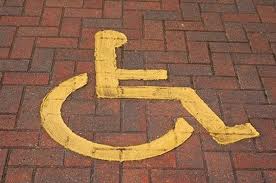 While renting to disabled tenants is common for many landlords and property managers, some have never had a disabled person submit a rental application. This post will clear up what might be some unknowns.
It’s important to know that disabled persons are protected by law. The Fair Housing Act (FHA) protects people with physical or mental disabilities that substantially limit one or more major life activities. These disabilities include mobility, hearing and visual impairments, chronic alcoholism, mental illness, HIV/AIDS and mental retardation. Landlords may not discriminate against these people, nor against those who have a history of such disabilities or are regarded by others as though they have such a disability (in other words, have no formal diagnosis).
- Landlords are not allowed to request medical records or ask prospective tenants if they are disabled.
- Landlords must not assume a prospective tenant cannot live in certain housing. For example, an applicant in a wheelchair cannot be told there are no vacancies if a third-floor apartment is available.
- Landlords may not turn down mentally disabled applicants on the basis of their condition alone. If they have threatened or harmed others in the past, then that could be grounds for rejection.
Reasonable Accommodations
At their expense, landlords must accommodate disabled tenants within reason. This means adjusting rules such as where garbage must be placed or allowing a close-by parking space. Each of these would fall under the “reasonable” category. Installing an elevator so a tenant who uses crutches can reach an upstairs unit would not.
Disabled tenants must be allowed to make reasonable modifications to their rental units or common areas in order to live comfortably and safely. For example, a tenant with a wheelchair-bound child must be allowed to widen the doorway to the bathroom and install bars around the tub and toilet at their own expense. Furthermore, the landlord may not require the tenant to return the doorway to its original condition (since it does not interfere with the next tenant’s use and enjoyment of the premises) but may require the tenant to remove the grab bars and return the walls to their original condition.
Other examples of reasonable accommodations include lowering countertops in the kitchen for a tenant using wheelchairs, installing an extra-loud doorbell for a hearing-impaired tenant or altering appliances so a visually impaired tenant can use them. All of these modifications must be requested verbally or in writing, approved by the landlord and paid for by the tenant. Landlords may ask for the unit to be returned to its original condition upon termination of the lease.
Landlords are permitted to ask for a description of proposed modifications, along with proof they will be done according to the law and in a workman-like manner.
Have questions? Learn more with the U.S. Department of Justice and Department of Housing and Urban Development’s joint statement on the subject, which can be found here.
Posted by Teresa on July 26, 2012 under Landlord and Tenant FAQs, Landlord Tips |
 When setting rents for an income property, how can a landlord know whether or not it will be competitive with similar nearby properties? If you set the rent too low, you run the risk of losing money; too high, and you could have a hard time filling vacancies.
Fair Market Rent (FMR) is set by the U.S. Department of Housing and Urban Development (HUD), and is based on what a household can expect to pay in a given area for a non-luxury rental unit. Efficiencies, one-, two-, three- and four-bedroom units are included in the FMR listings, which are revised each year. FMRs are set at the 40th percentile of gross rents, which is the point at which 40% of rents are below or equal to, and 60% of rents are greater than or equal to.
Landlords might use the HUD’s FMR when dealing with Section 8 tenants, or to see where their rent stacks up against the government’s estimate. Keep in mind that this figure is going to be set among the lower half of average rents, and also that gross rent includes utilities paid by the tenant.
“Market rents” refers to the going rate for rental properties in an area. As in any other venture, rates are often dictated by what the market will bear. In times of low vacancy, when rental properties are harder to come by, tenants will often pay higher rents. When the rental market is struggling, and tenants are harder to come by, rents tend to go lower as landlords compete for the best tenants.
It’s always a good idea to know where your rents fall in the spectrum between “too high” and “too low.” Here are a few ways you can figure that out:
- Check Craigslist. Scan the online classified ads site for properties with the same number of bedrooms and bathrooms as yours. Check square footage, neighborhood and amenities that are included, such as fitness rooms, swimming pools or free WiFi.
- Conduct Some Drive-Bys. Drive around your area and look for “For Rent” signs. Call the number, inquire about the rent, ask about the size and what’s included. If you really want to see how your property compares, schedule a viewing of the property.
- Call Property Management Companies. They will have lots of information about rentals in your area. Tell them what you’re looking for (a rental that compares with yours) and find out how much they’re leasing them for.
- Go Online. Zillow, the real estate valuation site, has a “Rent Zestimate” for every property. Simply enter the address, and see what the algorithm comes up with. Rentometer also compares rent rates, as does Rent Jungle. Enter the address, rent amount and number of bedrooms, and it will tell you whether it’s too high or low.
It’s a good idea to check market rents on a regular basis. You don’t want to find out your rents are out of line by leaving money on the table or staring at vacant units!
No matter how competitive your rents are, you need to protect your rental property and assets with tenant background checks. Proper tenant screening will ensure you are leasing to the best possible tenants.

 Between the Fair Housing Act and the Americans With Disabilities Act, it’s clear that landlords must accommodate tenants with disabilities. If your rental property is of a certain size and age, it’s probably already built to accommodate wheelchairs. And if a unit is to be leased by a person with disabilities, you must allow them to make reasonable modifications to accommodate their needs. And of course, if a tenant requires a service animal, you must allow it, even if you have a “no pets” policy. You’re entitled to ask for documentation from your tenant’s healthcare provider outlining the need for the service animal.